
Unified Payments Interface (UPI): Transforming Transactions
Unified Payments Interface (UPI) has transformed the way we handle transactions. From its inception to its current standing, UPI has made significant strides in the digital payment landscape. Let’s delve into UPI’s history, its evolution, and explore what the future holds for this revolutionary payment system.
The Genesis of UPI
UPI was launched in April 2016 by the National Payments Corporation of India (NPCI) with a vision to simplify online transactions. The initiative was driven by the need to create a streamlined payment solution that could transcend the complexity of traditional banking. This mission was supported by the Reserve Bank of India (RBI) and the Indian Banks Association (IBA), both of which played pivotal roles in its development.
By envisioning a seamless, real-time payment system, UPI aimed to make digital transactions as simple as sending a text message, thus democratizing access to financial services.
Initial Adoption and Integration
In the initial phase, UPI was integrated with a limited number of banks. However, its user-friendly design and efficiency quickly gained traction among consumers. The system’s ability to offer an interoperable platform allowed users to transfer money instantly using just a smartphone and a virtual payment address (VPA). This interoperability was a game-changer, fostering an inclusive environment where multiple banks could participate without the need for redundant infrastructure.
Rapid Growth and Expansion
The rapid growth of UPI was fueled by its convenience and the increasing penetration of smartphones across India. As more banks joined the UPI ecosystem, millions of users began to experience the benefits of hassle-free transactions. This growth was further accelerated by strategic partnerships with digital wallets and third-party payment apps, which expanded UPI’s reach beyond traditional banking customers.
The momentum continued as businesses and individuals embraced UPI for its low transaction costs and the simplicity of its interface.
The Evolution of UPI
Expanding Ecosystem
Since its launch, UPI has seen exponential growth. The number of banks participating in the UPI system has skyrocketed, enabling millions of users to enjoy hassle-free transactions. The integration with various digital wallets and third-party payment apps has further expanded its reach, making it a ubiquitous part of the digital payments landscape.
Integration with Digital Wallets
UPI’s integration with digital wallets has been a significant milestone in its evolution. By allowing seamless transactions across different platforms, UPI has removed the barriers that previously existed between banks and digital wallets. This integration has not only expanded UPI’s user base but also enhanced the convenience for users who prefer using digital wallets for their transactions.
Growth of Participating Banks
The number of banks participating in the UPI system has grown exponentially. From a handful of banks in its early days, UPI now boasts hundreds of participating banks, each offering their own unique UPI-enabled apps. This growth has been instrumental in ensuring that UPI remains a truly inclusive payment platform.
Impact of UPI 2.0
The introduction of UPI 2.0 in 2018 brought several enhancements, including linking overdraft accounts, one-time mandate features, invoice in the inbox, and signed intent and QR. These improvements aimed to enhance user experience and security, making UPI a more robust and versatile platform.
Increasing Adoption
Pandemic-Driven Adoption
The COVID-19 pandemic further accelerated UPI’s adoption. With social distancing norms in place, digital transactions became the norm, and UPI emerged as a vital tool for seamless, contactless payments.
User Trust and Reliability
One of the key drivers behind UPI’s increasing adoption is the trust it has earned among users. The reliability of the platform, combined with its robust security measures, has instilled confidence in users.
Low Transaction Costs
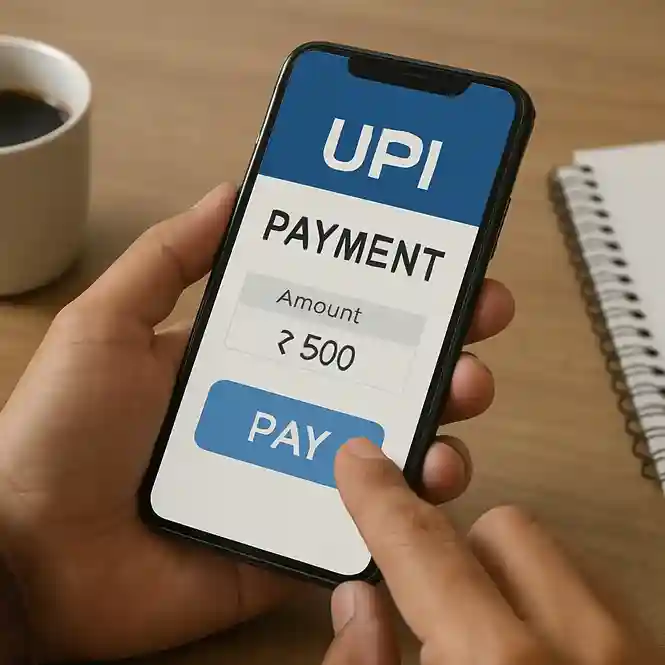
UPI offers a cost-effective alternative for individuals and businesses, which has boosted its adoption, especially among micro and small enterprises.
How UPI Works?
Registration Process
Users download a UPI-enabled app, link their bank account, verify their mobile number, and create a VPA (Virtual Payment Address).
Initiating a Transaction
Users enter the recipient’s VPA or scan a QR code, specify the amount, and authenticate the transaction using a secure PIN.
Transaction Completion
Funds are transferred instantly, with notifications confirming the successful transaction.
The Future of UPI
Cross-Border Payments
NPCI is exploring ways to extend UPI’s capabilities globally, enabling faster and cheaper international transfers.
Challenges
- Regulatory differences
- Exchange fluctuations
- Compliance issues
Potential Partnerships
Collaborations with global payment networks and financial institutions could pave the way.
Integration with Emerging Technologies
Blockchain
Decentralized records can enhance transaction security and reduce fraud.
AI-Driven Personalization
AI can offer spending insights, detect anomalies, and improve fraud prevention.
IoT Integration
Payments via smart appliances and connected devices can expand UPI’s utility.
Expanding to New Sectors
Public Transportation
UPI can simplify fare payments, eliminating the need for cash or physical tickets.
Healthcare
Digital payments for treatments, medicines, and insurance claims can be made more seamless.
Education
Tuition fees, exam fees, and other payments can be streamlined through UPI integration.
Enhanced Security Measures
Biometric Authentication
Fingerprint and face recognition can offer enhanced security and convenience.
Advanced Encryption

Stronger encryption protocols can protect transaction data from breaches.
Continuous Updates & User Education
Regular system improvements and user awareness campaigns will ensure secure usage.
Challenges and Opportunities
Technical Glitches
Improved infrastructure and collaboration with telecom partners can reduce disruptions.
Cybersecurity Threats
Advanced fraud detection, encryption, and biometrics are key.
User Education
Teaching users about secure practices is essential.
Opportunities for Innovation
Fintech collaborations, technological upgrades, and investment in awareness can help overcome challenges and propel UPI forward.
Conclusion
UPI has come a long way since its inception, revolutionizing the way we make payments. Its evolution from a simple digital payment platform to a comprehensive ecosystem is a testament to its effectiveness and potential.
As UPI continues to evolve, it promises even more convenience, security, and efficiency in digital transactions. The journey is far from over—and the future holds endless possibilities.