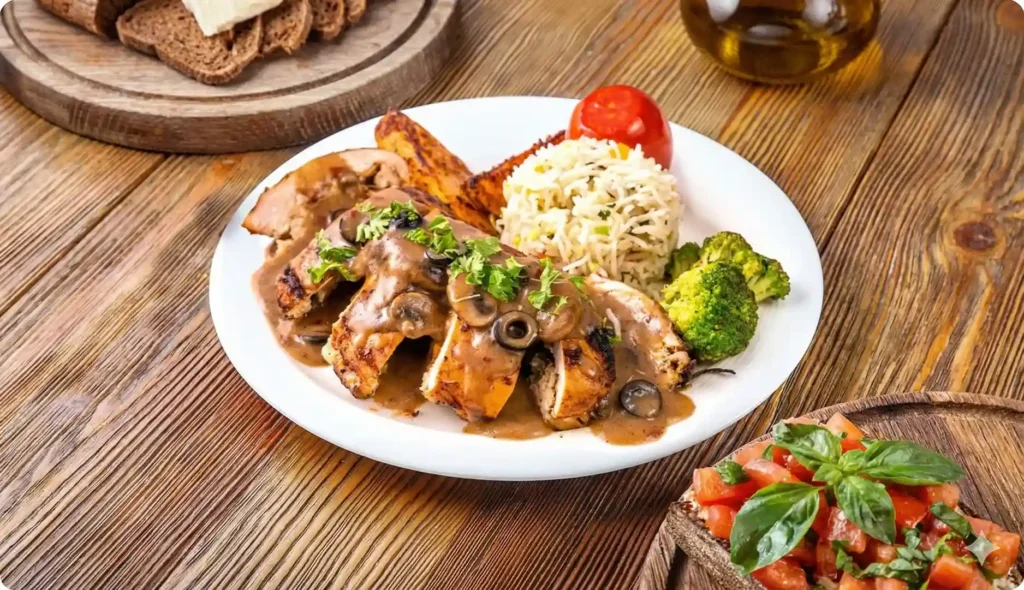
Continental food in Kolkata isn’t a borrowed trend—it’s part of the city’s everyday dining memory. Long before “global cuisine” became a marketing phrase, Park Street restaurants were serving prawn cocktails, creamy gravies, and baked dishes adapted carefully to Indian tastes. Over time, Kolkata diners learned what they liked (balanced sauces, familiar proteins, generous portions) and what they didn’t (overly rich plates, unfamiliar flavours without context).
Today, the city’s continental scene reflects that maturity. Alongside heritage restaurants that still do the classics well, you’ll find modern spaces that adjust technique, spice levels, and presentation for a contemporary Indian audience—often without calling attention to the adaptation. This guide helps you choose where to eat based on how Kolkata actually dines: family groups, mixed preferences, long meals, and value-driven expectations.
Understanding Continental Dining in the Indian Context
In India—and especially in Kolkata—continental cuisine usually refers to European-style food filtered through local sensibilities. French and Italian techniques remain the backbone, but menus often soften acidity, moderate butter-heavy sauces, and emphasise proteins that Indian diners are comfortable with, such as chicken, fish, and prawns.
What works in the Indian market is rarely strict authenticity. Restaurants that last understand a few realities:
- Diners prefer balanced richness, not heavy cream in every dish
- Familiar ingredients matter, even in European recipes
- Portion size and value influence repeat visits
- Ambience must suit group dining, not just couples
The most respected continental restaurants in Kolkata succeed because they’ve internalised these expectations over years, not because they chase novelty.
Best Continental Restaurants in Kolkata for Different Dining Styles
Mocambo
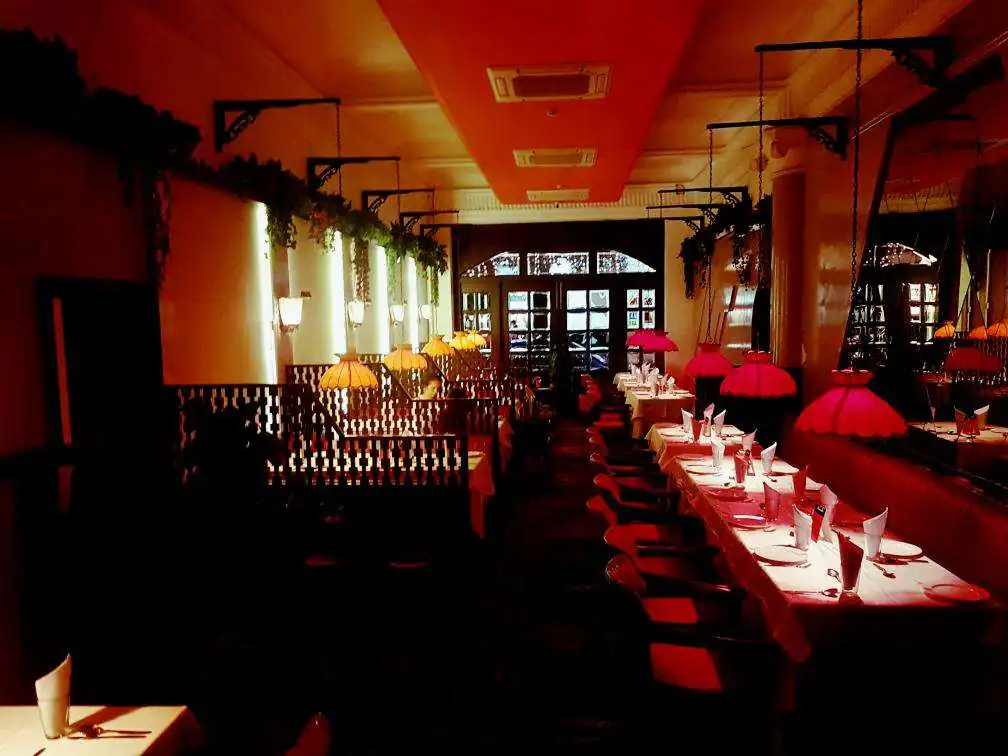
Location: Park Street
Cuisine Style: Traditional continental
Mocambo remains a reference point for continental dining in India because it understands its audience. The food is indulgent but familiar, rich without being overwhelming, and consistent to the point where regulars know exactly what they’re ordering—even after years.
What to order:
Prawn Cocktail, Fish à la Kiev, Chicken Tetrazzini
Best for:
Family outings, celebrations, and diners who value reliability over reinvention.
Marco Polo
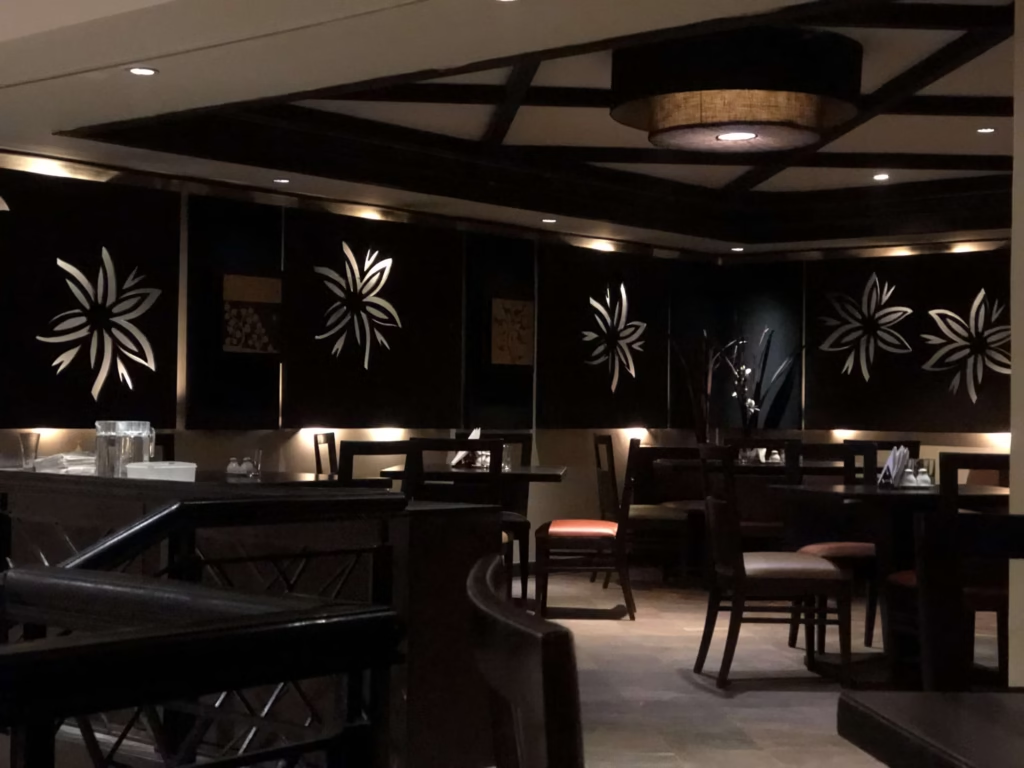
Location: Park Street
Cuisine Style: Classic continental fine dining
Marco Polo appeals to Indian diners who enjoy quieter, more formal meals. The menu doesn’t experiment aggressively, which works well for business dinners or multi-generational family groups where predictability matters.
Best for:
Formal dining, business meetings, and evenings where the setting needs to feel composed rather than lively.
The Garden
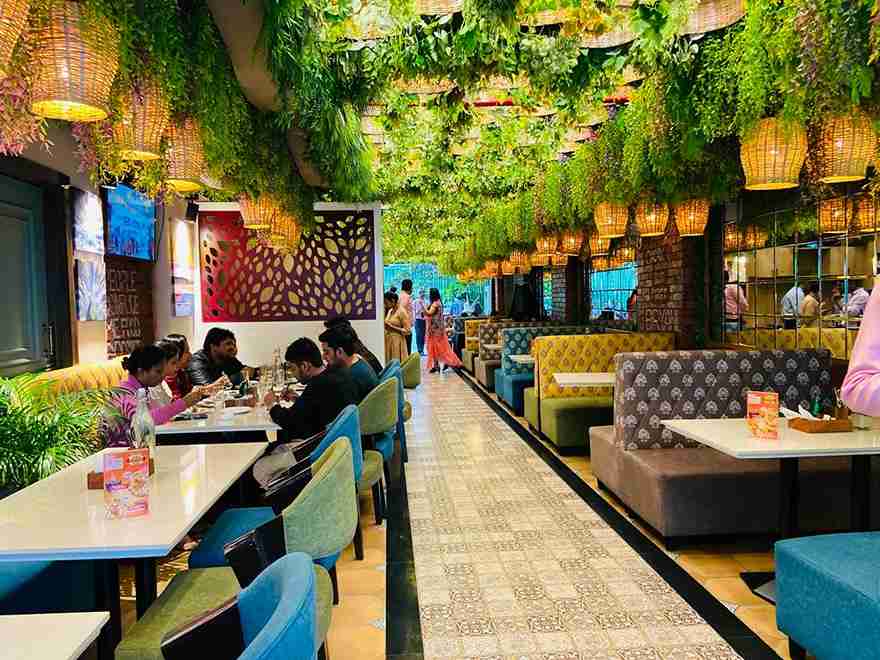
Location: Sector 5, Salt Lake
Cuisine Style: Contemporary continental with global influences
The Garden reflects a distinctly Indian dining habit: groups with varied preferences eating together. Its continental offerings are designed to be approachable—less rigid than classic European menus, but thoughtfully executed.
What works here:
Comfortable flavours, flexible portions, and an ambience that supports long meals—important for Indian families and social gatherings.
Best for:
Families, mixed groups, and diners who want continental food without formality.
Spice Kraft
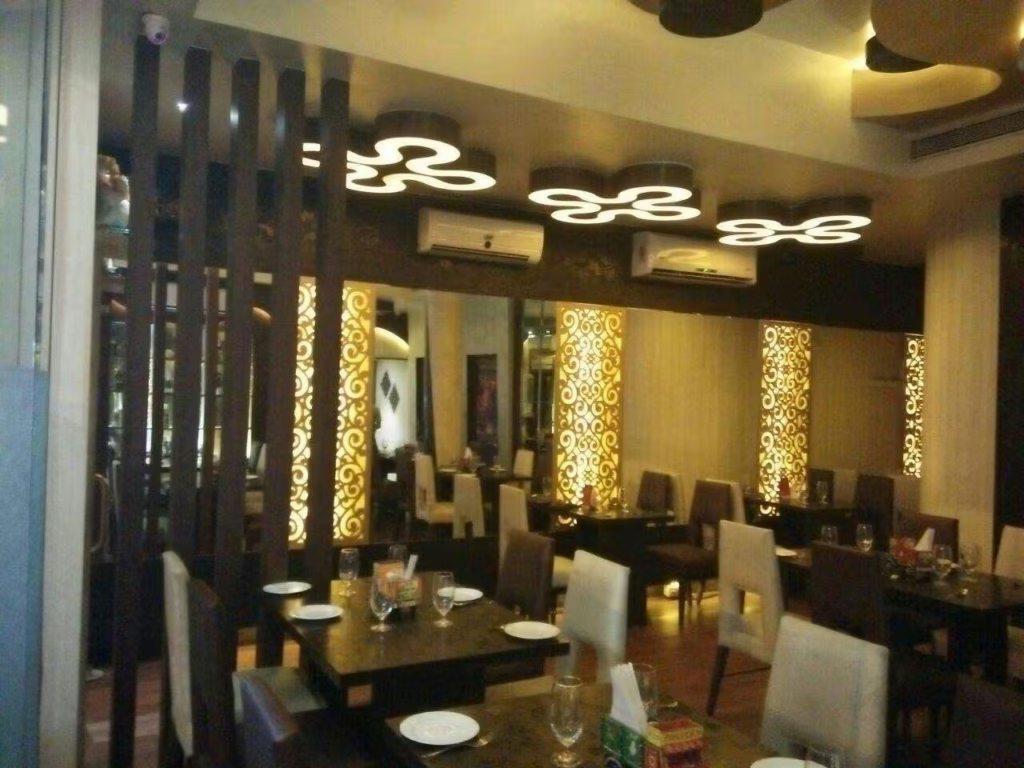
Location: Ballygunge
Cuisine Style: Chef-driven modern continental
Spice Kraft suits Indian diners who are curious but cautious. The dishes show technique and creativity, yet remain grounded in flavours that don’t alienate first-time guests. This balance is what makes chef-led restaurants work in the Indian market.
Standout dishes:
Baked Fish Wellington, Coq-au-Vin
Best for:
Couples and food-focused diners looking to explore continental cuisine beyond the basics.
The Grid
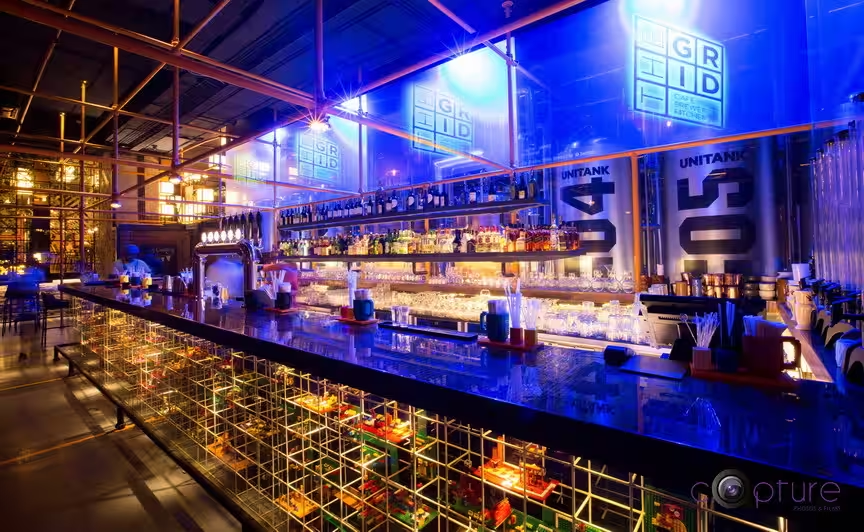
Location: Topsia Road
Cuisine Style: Continental within a brew-pub format
The Grid fits the growing Indian preference for experience-led dining. Here, continental food complements craft beer and social energy rather than standing alone. This model works well for younger diners and corporate groups.
Best for:
After-work outings, group gatherings, and casual celebrations.
Five Mad Men
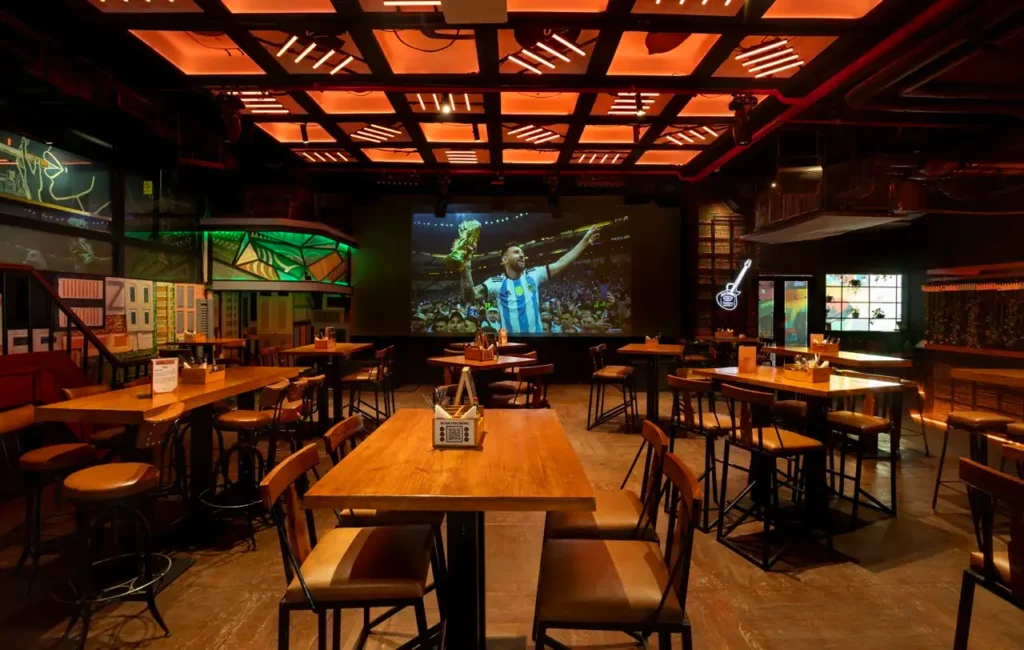
Location: Sector 5, Salt Lake
Cuisine Style: Modern continental gastro-pub
Five Mad Men prioritises interaction over formality. The food is familiar enough to share easily, which aligns well with Indian group dining habits where meals often stretch into social time.
Best for:
Friends, informal meetups, and entertainment-driven evenings.
Hakuna Matata

Location: Park Street
Cuisine Style: Vegetarian continental
Vegetarian diners in India often struggle with continental menus built around meat-centric dishes. Hakuna Matata addresses this gap directly, offering variety without relying on imitation meats or limited options.
Best for:
Vegetarian families and diners who want genuine choice within continental cuisine.
Choosing the Right Continental Restaurant in Kolkata
In the Indian market, choosing a continental restaurant is rarely just about cuisine—it’s about context. Is the meal for family, work, or friends? Do dietary preferences vary? Will the table stay for an hour or three? The answers shape the right choice far more than menu descriptions.
Park Street continues to anchor traditional continental dining, while Salt Lake and Topsia represent Kolkata’s modern, social-facing food culture. Chef-led kitchens cater to evolving tastes, and vegetarian-focused spaces respond to long-standing gaps.
The restaurants that thrive are the ones that understand Indian diners don’t chase trends—they return to places that feel familiar, comfortable, and consistently good. That understanding is what defines Kolkata’s continental dining scene today.