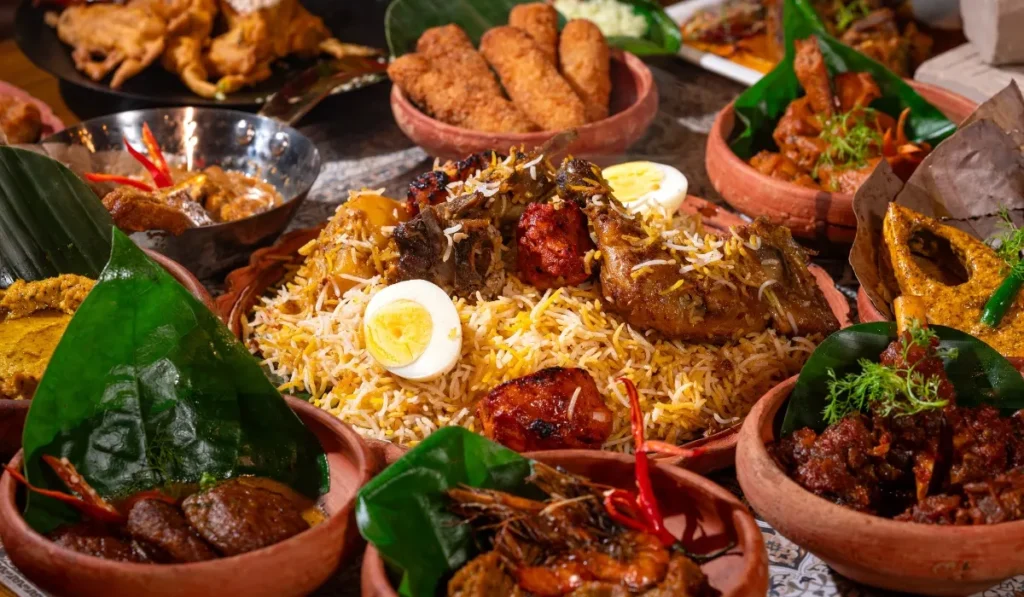
Bengali cuisine is often described as “authentic,” but what does that actually mean in practice? For many diners in Kolkata, authenticity is not about nostalgia or presentation — it is about how the food is cooked, paced, and served.
In areas like Salt Lake, where dining options have grown rapidly, this distinction has become more important than ever. As restaurants multiply, diners are increasingly asking a quieter question: Which places still cook Bengali food the way it is meant to be cooked?
What Defines Authentic Bengali Food?
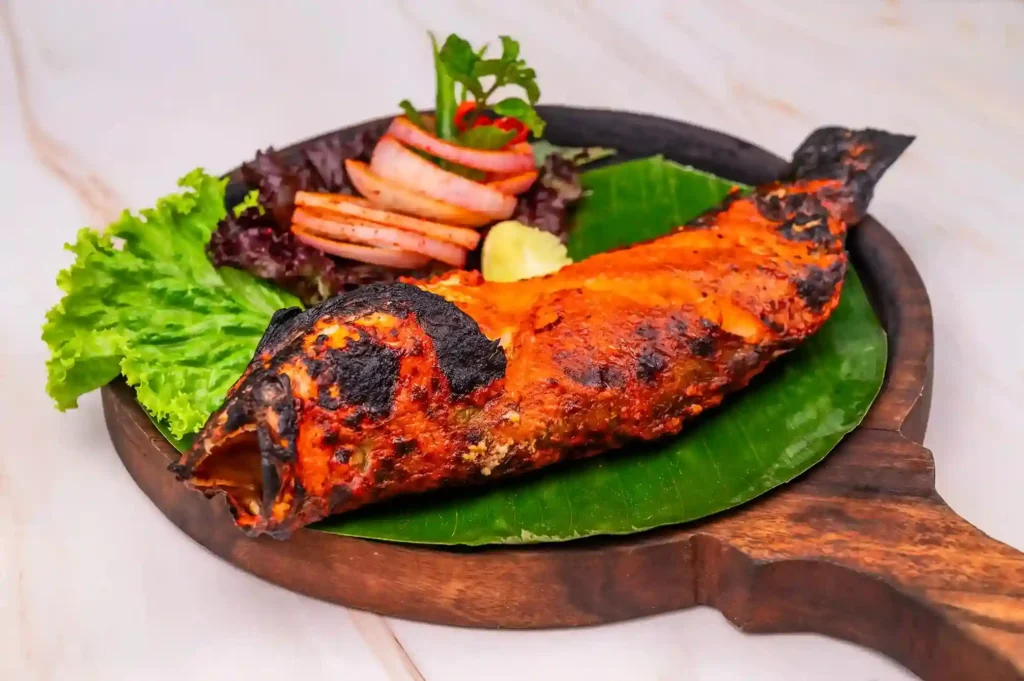
Authentic Bengali food is defined less by ingredients and more by method. Traditional recipes rely on balance rather than intensity. Spices are used sparingly, tempering is precise, and dishes are allowed time to develop flavour naturally.
Unlike restaurant food designed for quick turnover, homestyle Bengali cooking follows a slower rhythm. Mustard, green chillies, seasonal vegetables, and carefully cooked proteins are combined in ways that prioritise harmony over richness. The goal is not to impress immediately, but to feel familiar and satisfying over the course of a meal.
In this sense, authenticity in Bengali cuisine is about restraint, consistency, and respect for technique.
Why “Homestyle” Matters More Than Ever

As dining habits change, many people eat outside the home more frequently than before. This has increased the importance of restaurants that preserve traditional cooking styles. When home kitchens are used less often, diners look for places that replicate the same discipline and balance they associate with home-cooked meals.
Homestyle Bengali food is not improvised. Recipes are followed closely, proportions are measured by experience, and shortcuts are avoided. This is what creates trust — diners know what to expect, and flavours remain consistent across visits.
Salt Lake’s Shift Toward Thoughtful Bengali Dining
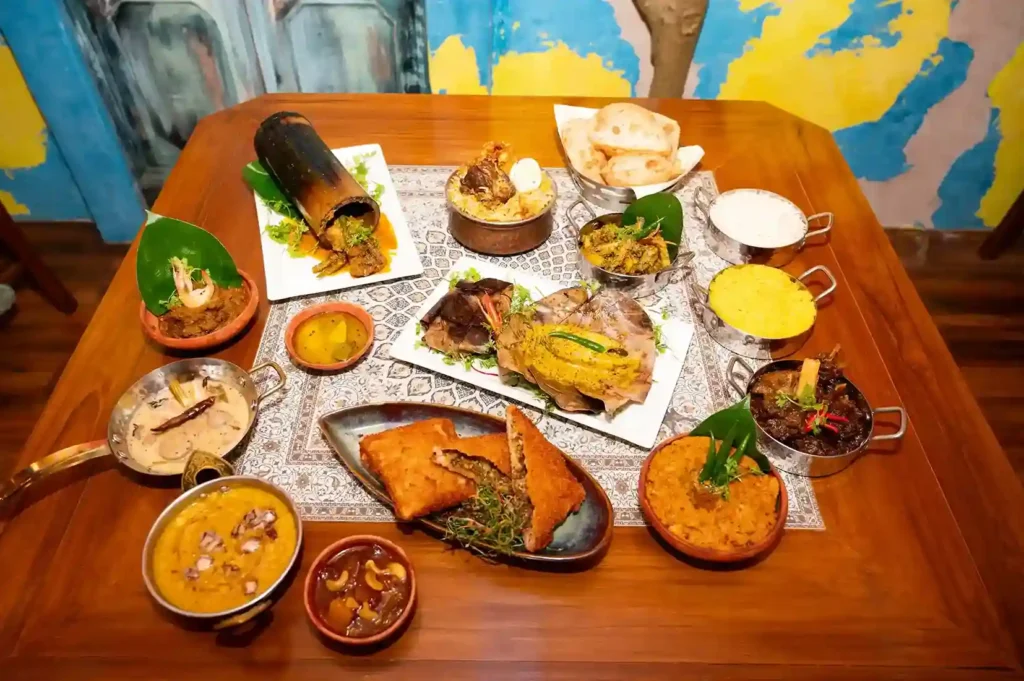
Salt Lake, particularly the Sector V area, has historically been seen as a commercial zone. But as professionals and families spend longer hours in the area, expectations around food have evolved. Convenience alone is no longer enough.
Diners increasingly prefer calm environments, reliable flavours, and food that does not feel overproduced. This has created space for restaurants that prioritise traditional Bengali cooking over novelty-driven menus.
One such example is Devi Chowdhurani, an authentic Bengali restaurant in Salt Lake, Kolkata, known for following a homestyle cooking philosophy rather than a commercial one. Its approach reflects a broader preference for Bengali food that is prepared with care, patience, and cultural understanding.
How Traditional Bengali Restaurants Build Trust

Trust in dining is built through repetition. When food tastes familiar each time, diners return not for experimentation, but for reliability. Traditional Bengali restaurants that maintain this consistency often become part of a diner’s routine rather than a one-time destination.
This pattern is visible across Kolkata’s evolving food landscape. Restaurants that stay close to traditional methods tend to attract guests who value food as part of daily life, not entertainment.
A Dining Experience That Respects Pace
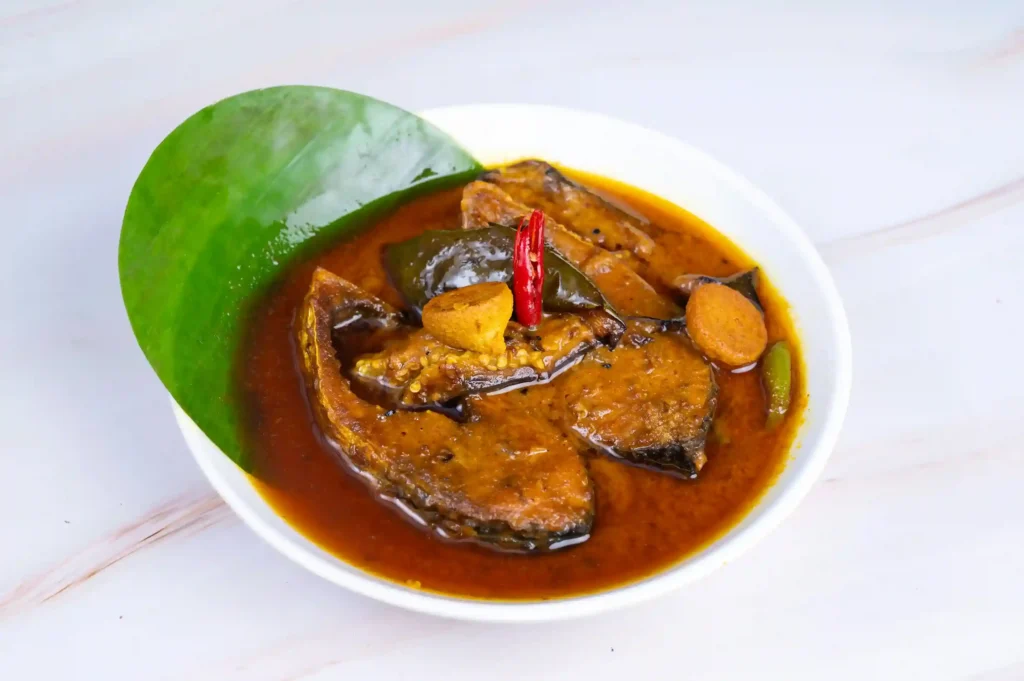
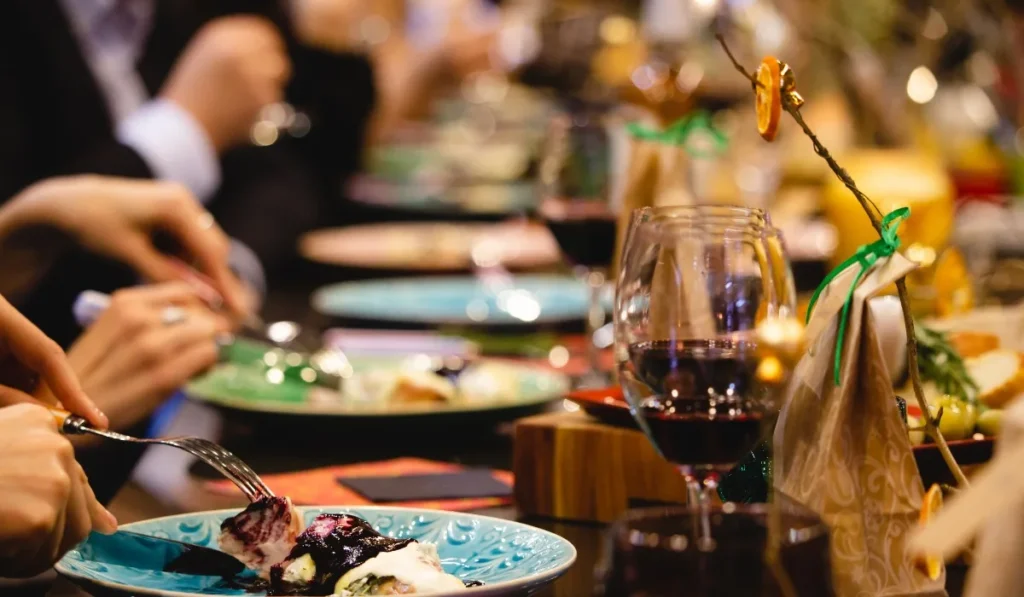
Bengali meals are not designed to be rushed. The experience of eating — conversation, pacing, and comfort — is as important as the food itself. Restaurants that understand this offer spaces that feel composed rather than crowded.
By aligning cooking style with dining environment, such places preserve the essence of Bengali cuisine as it has always been shared: thoughtfully, without urgency, and with attention to detail.
FAQ: Understanding Authentic Bengali Dining in Salt Lake
Authentic Bengali food is defined by traditional cooking methods, restrained use of spices, precise tempering, and a focus on balance rather than richness. Flavours are allowed to develop naturally through careful preparation.
Homestyle Bengali cooking follows disciplined recipes and slower techniques that prioritise consistency and familiarity. In contrast, many restaurant adaptations focus on speed or heavy seasoning, which can dilute traditional flavours.
As professionals and families spend more time in Salt Lake, especially around Sector V, there is growing demand for dependable, traditional meals. This has encouraged restaurants that focus on calm dining and homestyle Bengali food.
Yes. Restaurants such as Devi Chowdhurani are known for offering traditional Bengali cuisine prepared with a homestyle philosophy in Salt Lake, Kolkata.