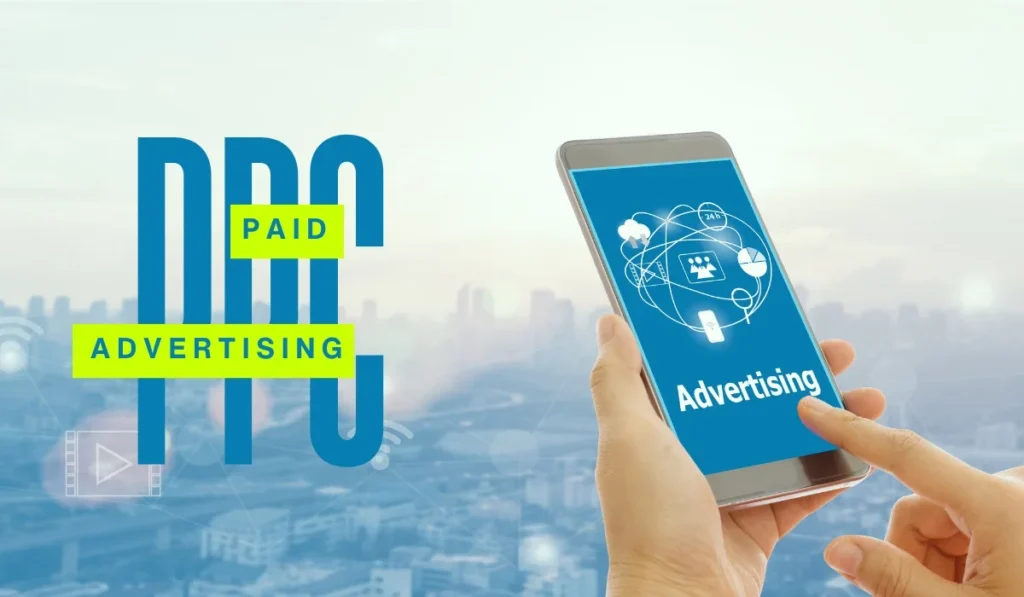
Pay-per-click (PPC) advertising is often described as a way to “buy traffic.” That description is convenient—but incomplete. PPC is not a shortcut to growth, not a guarantee of results, and not a replacement for organic marketing. It is a controlled way to participate in digital attention markets, where visibility is allocated based on relevance, intent, quality signals, and budget constraints.
To understand PPC properly, it helps to step back from platforms, dashboards, and promises—and look at how paid digital media actually functions inside the digital marketing ecosystem. This article explains PPC from first principles, clarifies what it can and cannot do, and places it in its proper role alongside other digital channels.
What PPC Advertising Actually Is (and What It Is Not)
At its core, PPC advertising is a pricing model, not a strategy. You pay when someone interacts with your ad—most commonly by clicking, but sometimes by viewing or engaging, depending on the format.
What PPC is:
- A way to enter competitive visibility auctions in digital environments
- A system that matches commercial intent with relevant messages
- A method to control exposure, pacing, and spend with measurable outcomes
What PPC is not:
- A guarantee of sales or profit
- A substitute for product-market fit, trust, or demand
- A permanent growth engine without ongoing cost
PPC works best when it complements—not replaces—other channels such as content, SEO, email, and brand building.
How Paid Digital Media Differs From Organic Channels
Organic digital marketing (like SEO or social content) earns visibility over time by building relevance, authority, and trust. Paid media, by contrast, rents visibility under specific conditions.
Key differences include:
- Time horizon: Paid ads can appear immediately; organic channels compound slowly.
- Control: PPC offers direct control over budgets and exposure; organic channels offer limited control.
- Durability: Organic visibility can persist; paid visibility stops when spending stops.
- Signal dependence: Paid media relies on real-time auctions and predicted outcomes; organic relies on accumulated signals.
These differences explain why PPC is powerful for testing, validation, and demand capture, but insufficient on its own for sustainable growth.
The Role of Intent: Why PPC Exists at All
PPC thrives because digital platforms can infer user intent. When someone searches, browses, or watches content, they leave contextual signals about what they want—or might want next.
Intent can be:
- Explicit (searching for a product or service)
- Contextual (consuming related content)
- Predictive (based on behavior patterns)
Paid ads do not create intent. They respond to it. When intent is strong and well-defined, PPC can be highly effective. When intent is weak or ambiguous, paid media becomes less efficient and more expensive.
How Ad Auctions Work (At a High Level)
Most PPC systems allocate visibility through auctions, not fixed pricing. Each time an ad could be shown, the platform evaluates multiple advertisers competing for that opportunity.
At a simplified level, the system considers:
- Maximum willingness to pay (your bid)
- Relevance of the ad to the user and context
- Expected performance (likelihood of engagement)
- Experience quality after the click
Importantly, the highest bid does not automatically win. Platforms are designed to optimize for user satisfaction and long-term trust, not short-term revenue.
This is why two advertisers bidding differently can pay different amounts for similar exposure—and why improving relevance can reduce costs over time.
Relevance and Quality: The Hidden Currency of PPC
Modern PPC systems reward advertisers who create useful, relevant experiences. While terminology varies by platform, quality generally reflects three ideas:
- Message relevance
Does the ad align with what the user is trying to do or learn? - Expected engagement
Based on historical data, how likely is the ad to receive attention? - Post-click experience
Does the landing page fulfill the promise of the ad clearly and responsibly?
Quality is not a score you “optimize” once. It is an outcome of clear intent alignment, honest messaging, and coherent user journeys.
Budget, Bidding, and Delivery—Conceptually Explained
Budgets in PPC do not buy results; they fund participation. How that participation unfolds depends on bidding logic and delivery constraints.
Conceptually:
- Budgets set limits on exposure over time.
- Bids express relative value for different actions or users.
- Delivery systems decide when and where ads appear to meet performance goals.
Importantly, spending more does not guarantee better outcomes. Poor relevance simply scales inefficiency. Effective PPC requires learning periods, trade-offs, and ongoing adjustment.
Where PPC Fits in the Customer Journey
PPC is most effective at capturing existing demand, not creating new demand. It works well in:
- Early validation (testing messaging or offers)
- Mid-funnel comparison (helping users evaluate options)
- High-intent moments (when decisions are imminent)
It performs poorly when:
- The product requires deep education or trust
- Demand is not yet formed
- The value proposition is unclear
This is why PPC must be supported by content, brand credibility, and organic presence—especially in complex or high-consideration markets.
Measurement Basics: What PPC Metrics Actually Mean
PPC is often described as “fully measurable,” but measurement reflects activity, not truth.
At a conceptual level:
- Impressions show exposure, not interest
- Clicks show engagement, not intent fulfillment
- Conversions show actions, not long-term value
Attribution is probabilistic, not precise. Many conversions would have happened anyway; many influences remain unseen. Responsible PPC analysis treats metrics as signals, not verdicts.
Common Misunderstandings About PPC
Several myths persist because they simplify a complex system:
- “PPC delivers instant ROI”
In reality, PPC delivers instant data—not guaranteed profit. - “You can outbid competitors forever”
Rising costs eventually erode returns without quality improvements. - “Automation replaces strategy”
Automation executes objectives; it does not define them.
Understanding these limitations prevents disappointment and misallocation of budget.
AI and Machine Learning in Modern PPC
Today’s PPC systems are deeply shaped by AI. Algorithms now:
- Automate bidding based on predicted outcomes
- Model audiences rather than rely on fixed targeting
- Optimize delivery across placements and formats
This shift reduces manual control but increases system dependence. Humans still decide:
- Business goals and constraints
- Value definitions and success criteria
- Messaging clarity and ethical boundaries
AI improves efficiency when strategy is sound. When strategy is vague, automation amplifies uncertainty.
What PPC Can—and Cannot—Do on Its Own
PPC can:
- Accelerate learning
- Capture active demand
- Provide predictable exposure windows
PPC cannot:
- Fix weak offerings
- Replace trust-building channels
- Sustain growth without compounding assets
Its real strength lies in integration, not isolation.
Seeing PPC in the Bigger Picture
PPC advertising is best understood as one lever within a connected system of digital channels. It interacts with SEO, content, brand, and user experience—sometimes amplifying them, sometimes exposing their weaknesses.
When viewed within the structure of modern digital marketing, PPC becomes clearer: not a promise, not a trick, but a tool. Used thoughtfully, it informs decisions and supports growth. Used alone, it reveals limits quickly.
Understanding PPC this way helps businesses invest with realism, patience, and perspective—qualities that matter far more than any bid or budget ever will.